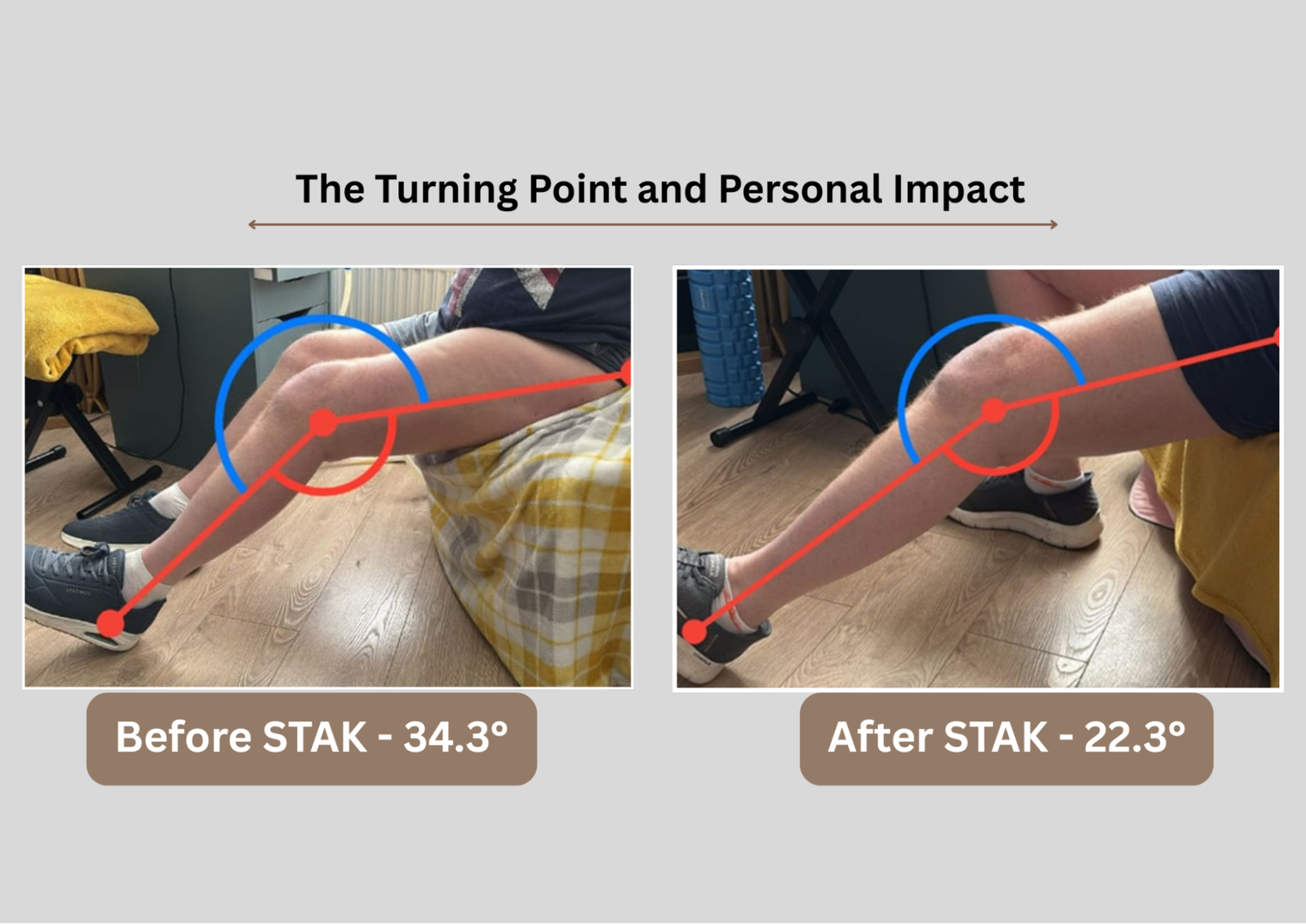

Knee Flexion vs Extension: Recovering from knee surgery is a journey that requires patience, consistency, and the right approach. One of the most crucial aspects of this process is restoring both knee extension (straightening) and knee flexion (bending). These two movements form the foundation of your knee’s function – and neglecting either one can delay recovery and limit mobility.
In this article, we’ll explore why both extension and flexion matter, the challenges patients often face during recovery, and how specific exercises and devices can help you regain full range of motion (ROM) after surgery.
Understanding Knee Flexion and Extension
The knee is one of the most complex joints in the body, allowing for both bending (flexion) and straightening (extension). Together, these movements make it possible to walk, run, sit, and perform nearly every lower-body activity.
- Knee Flexion refers to bending your knee, such as when sitting down or climbing stairs. A healthy knee typically bends up to 120°-135°, though most daily activities require at least 110° of flexion.
- Knee Extension refers to straightening your leg completely. Ideally, your knee should reach a 0° angle (fully straight) – a critical position for walking properly and standing without strain.
When either of these movements is limited, your mobility, balance, and quality of life can be affected. That’s why proper rehabilitation focuses on restoring both flexion and extension to achieve full functionality.
Why Both Flexion and Extension Are Important
Many patients focus more on bending the knee during recovery, often underestimating the importance of regaining full extension. However, both are equally essential:
1. Knee Extension (Straightening)
Full knee extension is necessary for normal walking and posture. If the knee cannot straighten fully, it causes:
- A limping gait or imbalance during walking.
- Increased pressure on the hips, ankles, and lower back.
- Long-term strain on surrounding muscles and joints.
Even a 5° loss of extension can affect how you stand, walk, and bear weight. Regaining full extension ensures that your leg muscles, especially the quadriceps, can support your body properly.
2. Knee Flexion (Bending)
Knee flexion enables you to sit, climb stairs, and perform most daily activities with comfort. After surgery, patients are encouraged to achieve at least 110°-120° of knee bend for functional mobility.
Without adequate flexion, simple tasks like sitting in a chair, getting into a car, or squatting can become challenging.
In short, flexion gives you mobility, while extension provides stability – both are vital for balanced recovery.
Common Challenges After Knee Surgery
Following knee replacement or other surgeries, stiffness and restricted motion are common due to:
- Scar tissue buildup (arthrofibrosis) that restricts movement.
- Muscle weakness caused by inactivity.
- Pain or swelling that discourages movement.
- Fear of pushing the knee too far, leading to limited motion.
Addressing these challenges early through stretching, strengthening, and proper technique helps prevent long-term complications and improves recovery speed.

How to Restore Knee Extension and Flexion at Home
A balanced knee rehabilitation routine focuses on both directions of movement. Below are exercises and techniques you can do at home to gradually restore motion and strength.
Always consult your physiotherapist or healthcare provider before starting new exercises.
1. Heel Prop (for Extension)
- Sit on a bed or couch and place a rolled-up towel under your ankle.
- Let gravity gently straighten your knee.
- Hold for 3-5 minutes, focusing on relaxing your thigh muscles.
Goal: Encourages full knee straightening and prevents stiffness.
2. Quadriceps Sets
- Sit with your leg straight.
- Tighten your thigh muscles and press the back of your knee into the bed or floor.
- Hold for 5-10 seconds, then relax.
Goal: Strengthens the quadriceps and improves control for knee extension.
3. Heel Slides (for Flexion)
- Lie on your back with your legs straight.
- Slowly slide your heel toward your buttocks, bending your knee as far as possible.
- Hold for 5 seconds, then return to the starting position.
Goal: Improves knee bending and breaks down scar tissue.
4. Seated Knee Flexion
- Sit on a chair and gently slide your foot back underneath it to bend the knee.
- Hold for 10-15 seconds before releasing.
Goal: Increase range of motion and flexibility in a seated position.
5. High-Intensity Stretching with the STAK Knee Stretcher
For faster and safer results, tools like the STAK Knee Stretcher can play a major role in restoring both knee flexion and extension. This clinically proven device allows you to perform high-intensity stretching at home, helping to:
- Break down scar tissue that limits mobility.
- Achieve deeper stretches safely and progressively.
- Improve range of motion faster than standard physiotherapy alone.
The STAK device provides controlled pressure to the knee joint, making it easier to reach essential milestones like full extension (0°) and functional flexion (120°).
Tips for a Balanced Recovery
Recovering knee motion requires patience and consistency. Here are some expert tips to make your rehabilitation more effective:
- Prioritize consistency over intensity – Gentle, frequent stretching is more beneficial than occasional hard sessions.
- Alternate between flexion and extension exercises to keep the joint balanced.
- Use heat before exercise to loosen stiff tissues and ice afterward to reduce inflammation.
- Track your progress by measuring how far you can bend or straighten your knee each week.
- Don’t ignore pain, but distinguish between discomfort from stretching and sharp pain that signals overexertion.
When to Seek Help
If, after several weeks, you still can’t achieve adequate flexion or extension, or if your knee remains swollen and painful, consult your physiotherapist or surgeon. Persistent stiffness could indicate arthrofibrosis, which may require targeted treatment or professional intervention. Early detection is key to preventing long-term limitations.
Final Thoughts
Balanced recovery after knee surgery depends on regaining both extension and flexion. Extension provides stability to stand and walk without strain, while flexion restores mobility for daily activities. Neglecting one can slow recovery and cause long-term discomfort.
By combining daily exercises with clinically proven tools like the STAK Knee Stretcher, you can safely and effectively restore your full range of motion from the comfort of home. Consistency, patience, and proper guidance will ensure your knee recovers its natural strength, stability, and freedom of movement.